
The demand for handmade and personalized products has grown rapidly over the past few years, and in 2026, it shows no signs of slowing down. Shoppers are increasingly drawn to unique, artisan-crafted items that tell a story—products that stand out from mass-produced alternatives. This shift in consumer behavior has created a huge opportunity for creators, crafters, and small brands to build sustainable businesses online.

One of the most powerful platforms for reaching these buyers is Amazon Handmade. Backed by Amazon’s massive customer base, trusted checkout system, and global reach, Amazon Handmade allows artisans to sell genuinely handcrafted products while benefiting from Amazon’s infrastructure. However, success on this platform requires more than simply listing products—it demands a clear understanding of how the marketplace works, its rules, fees, and best practices.

If you’re wondering how to sell on Amazon Handmade, this 2026 guide is designed to walk you through the entire process step by step. Whether you’re a beginner exploring Amazon Handmade for the first time or an existing seller looking to optimize your performance, this guide will help you make informed decisions and avoid costly mistakes.

Learn how to list and sell used items effectively on Amazon, reach the right buyers, and maximize your earnings in 2026.

What Is Amazon Handmade?

amazon handmade

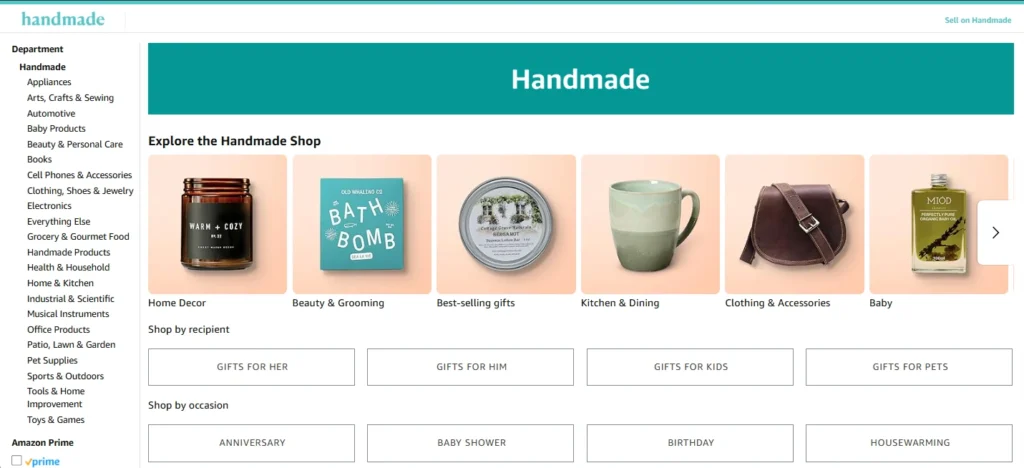
Amazon Handmade is a specialized marketplace within Amazon that is dedicated exclusively to handcrafted, hand-altered, and artisan-made products. Launched to support independent makers, it allows creators to sell their handmade goods directly to millions of Amazon customers while maintaining the authenticity and uniqueness of their craft.

Unlike standard Amazon categories where mass-produced products dominate, Amazon Handmade is carefully curated. Every seller must go through an application and approval process to confirm that their products are genuinely handmade. This makes Amazon Handmade a trusted destination for buyers seeking unique, high-quality, and artisan-crafted items—and a valuable platform for sellers who want to stand out without competing against factory-made products.

What Types of Products Can Be Sold on Amazon Handmade?

Amazon Handmade supports a wide range of product categories, provided the items are truly handmade or significantly altered by hand. Common categories include:

  • Home decor
  • Jewelry
  • Beauty & personal care
  • Kitchen & dining
  • Drinkware and accessories
  • Candles and fragrance
  • Clothing and accessories
  • Wedding and party supplies
  • Stationery and handmade gifts

Products can be made entirely by hand, created with the help of tools, or partially produced using equipment—as long as the artisan is directly involved in the production process. Certain categories, such as food and cosmetics, must also meet Amazon’s safety and compliance requirements.

How Much Does It Cost to Sell on Amazon Handmade?

Selling on Amazon Handmade involves a simple and transparent fee structure. There are two primary costs to be aware of:

Monthly subscription fee

Amazon normally charges $39.99 per month for a Professional selling plan. However, this fee is waived once your Handmade application is approved, making it more affordable for artisans.

Referral fee

Amazon charges a 15% referral fee on each Handmade sale. This fee is deducted from the total selling price and covers access to Amazon’s marketplace, tools, and customer base.

Additional Costs to Consider

Beyond Amazon’s standard fees, sellers may also incur other expenses, including:

  • Shipping and delivery costs

  • Packaging and labeling materials

  • Fulfillment by Amazon (FBA) fees, if you choose to use Amazon’s fulfillment service

  • Currency conversion or international selling fees, if applicable

Understanding all potential costs upfront helps you price your products accurately and protect your profit margins when selling on Amazon Handmade.

How Amazon Handmade Is Different From Regular Amazon Selling

The biggest difference between Amazon Handmade and standard Amazon selling is exclusivity and authenticity. Handmade sellers do not compete with mass manufacturers, and Amazon enforces strict policies to protect the integrity of the marketplace.

Another major advantage is pricing flexibility. Since handmade products are unique, sellers are not forced into constant price wars like in traditional Amazon categories. Buyers on Amazon Handmade often prioritize quality, customization, and craftsmanship over the lowest price.

Additionally, Amazon waives the monthly Professional selling fee for Handmade sellers, which can significantly reduce overhead costs—especially for new or small-scale artisans.

Why Amazon Handmade Matters in 2026

In 2026, Amazon Handmade continues to grow as consumers increasingly value originality, sustainability, and small businesses. With built-in trust, global reach, and access to Amazon’s powerful tools, the platform offers artisans a rare opportunity to scale without losing their creative identity.

For anyone researching what is Amazon Handmade and whether it’s worth selling on, the answer is clear: it’s a dedicated, high-potential marketplace designed specifically for makers who want to turn their craft into a profitable online business.

Read: Amazon Handmade Terms and Conditions

Discover how Amazon Merch on Demand in 2026 empowers creators to monetize designs without upfront inventory costs.

How to Sell on Amazon Handmade: Getting Started

Selling on Amazon Handmade is a powerful way to turn your passion for crafting into a scalable business with massive reach. Unlike regular Amazon selling, Amazon Handmade is exclusively for genuine artisans who create, hand-design, or hand-alter their products. Getting started involves a few clear steps—from setting up your seller account to listing and selling your first handcrafted item. Here’s a step-by-step guide to help you begin your journey as an Amazon Handmade seller in 2026.

Create an Amazon Seller Account

Before you can sell on Amazon Handmade, you first need a standard Amazon seller account. This becomes the foundation for your Handmade application.

Key actions:

  • Sign up for a Professional seller account on Seller Central.

  • Provide basic business information, tax details, and identity verification.

  • If you already have an Amazon seller account, you can use it to apply to Handmade.

Important: The Professional plan normally costs a monthly fee, but once accepted into Handmade, that monthly fee is waived after the first month—saving you hundreds of dollars annually.

Submit Your Handmade Application

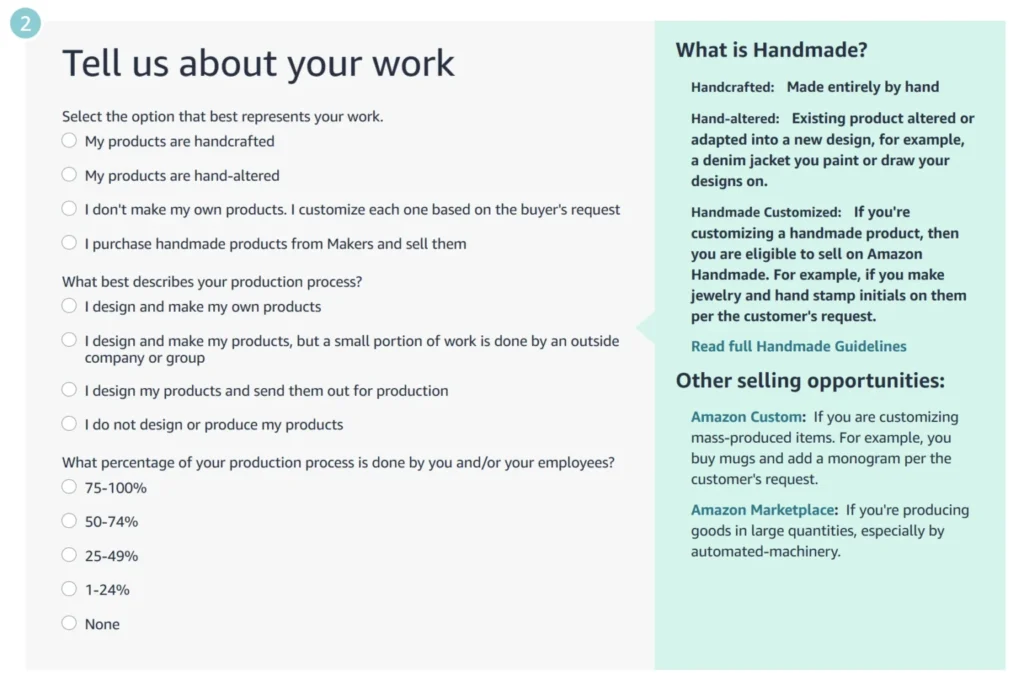
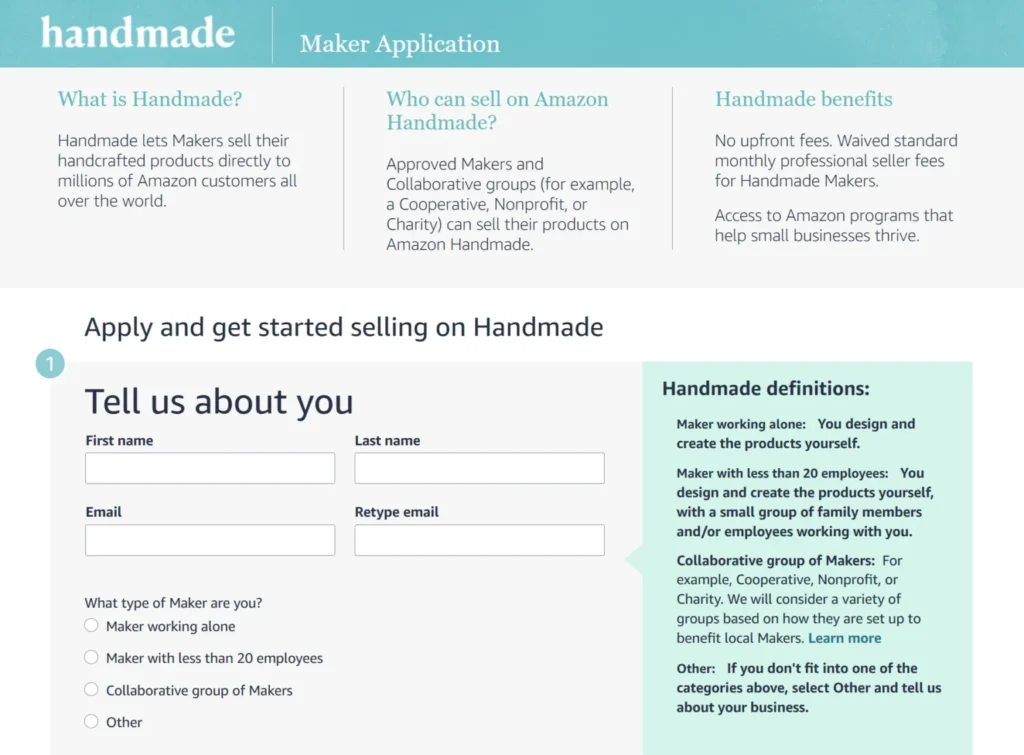
With your seller account ready, the next step is to Go to Amazon Handmade and click “Apply now ” to become a Handmade maker. This is a mandatory process designed to ensure that only genuine handmade products are sold on the platform.

During the application, you’ll be asked to provide:

  • Details about you and your craftsmanship process
amazon handmade application

amazon handmade application step 2

  • Descriptions of your products and how they’re made
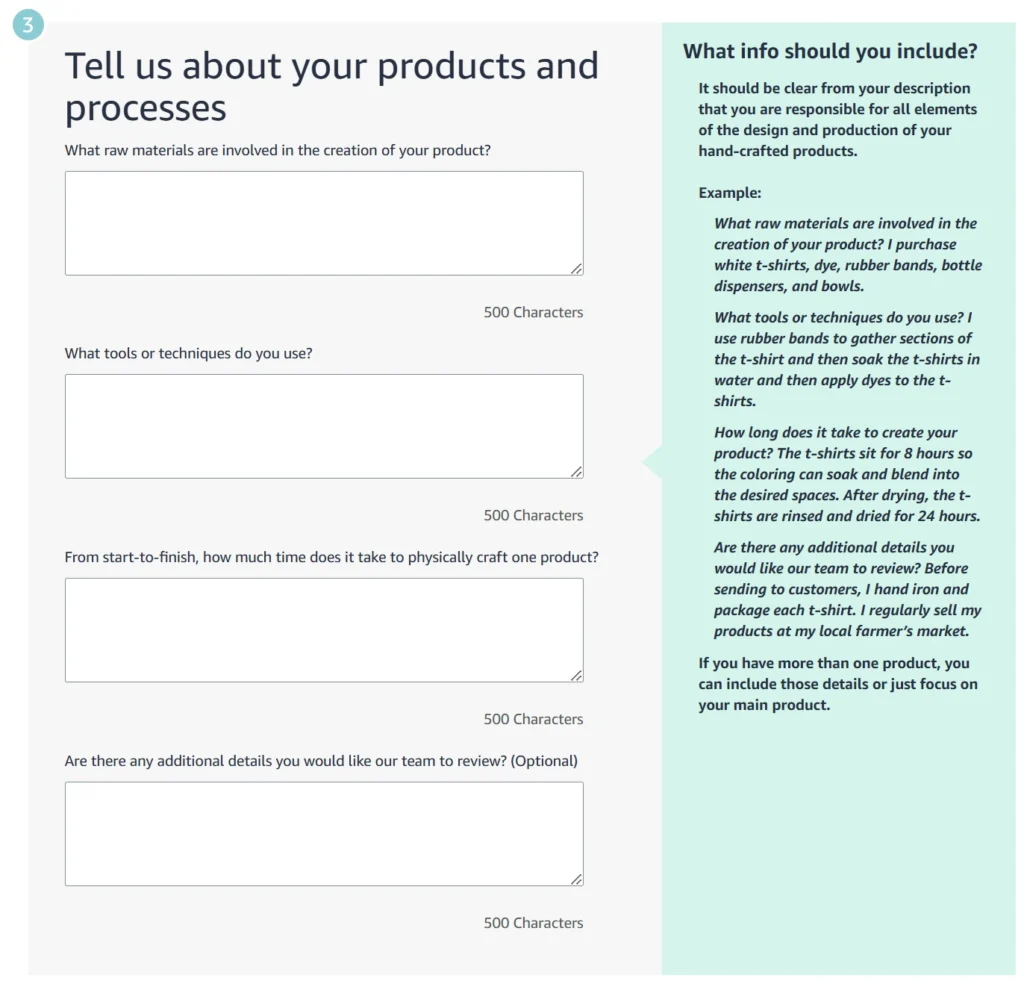
amazon handmade application step 3

  • Photos of your workspace and example products
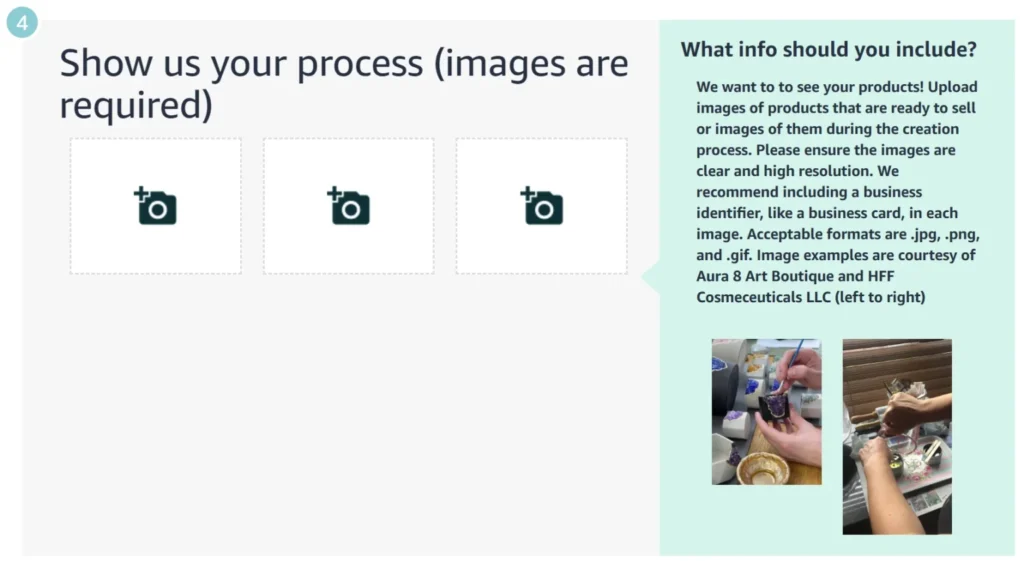
amazon handmade application step 4

  • Select Your Product Category

From the dropdown menu, choose the category that best fits the products you plan to sell.
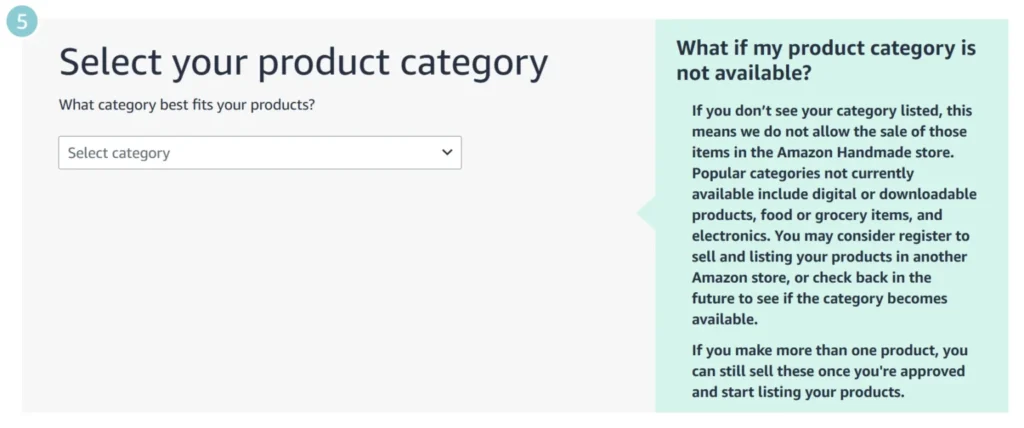
amazon handmade application step 5

  • Additional Information

This section is optional, but sharing details about your social media presence or other online stores can help Amazon better understand your Handmade business and product creation process.
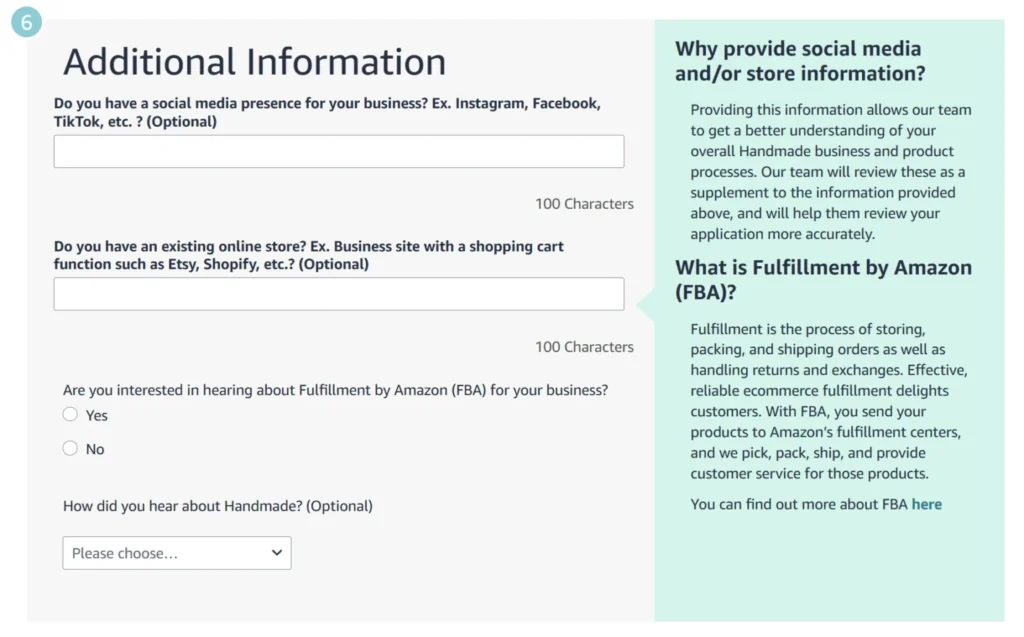
amazon handmade application step 6

  • Agree to Terms and Submit Your Application

Check the box to agree to Amazon’s terms and conditions, then click the “Submit application” button. After completing all the steps, simply wait for your approval, which may take up to two weeks.

submit amazon handmade application

The goal is to demonstrate that your goods are truly handmade, hand-designed, or hand-altered—not mass-produced. The review can take a few days to a couple of weeks, although many sellers receive approval much sooner if their application is complete and accurate. If denied, you can reapply after 30 days.

Build Your Maker Profile

Once approved, you’ll create your Maker Profile or Storefront—your artisan homepage within Amazon Handmade. This is where buyers learn who you are, what you make, and why your products are special.

Your Maker Profile should include:

  • A high-quality profile image or logo

  • A compelling brand story describing your craft

  • Additional gallery or workspace images

  • Clear and unique descriptions of your products and creative philosophy

A well-written Maker Profile builds trust with buyers and sets you apart from competitors.

List Your Handmade Products

With your Maker Profile ready, it’s time to list your products! Listing on Handmade follows a structured process similar to other Amazon categories but with handmade-specific options.

When adding a product, you’ll fill in:

  • Product title and detailed description
  • High-quality images that showcase the item and craftsmanship
  • Category and subcategory selection
  • Production time (important for customer expectations)
  • Materials used and any custom options
  • Keywords to help customers find your product

Make sure every listing field is complete and compelling—this improves both discoverability and conversion rate.

Check: Amazon Handmade Listing requirements

Pricing Your Handmade Items

Setting the right price for your handmade products is essential for staying profitable while remaining competitive. To do this effectively, you need to understand your production costs and how similar items are priced in the market.

A Simple Pricing Strategy for Amazon Handmade Sellers

Calculate your total costs

Add together all expenses involved in creating your product, including materials, labor, packaging, and overhead costs such as tools, utilities, or workspace.

Research competitor pricing

Review similar products on Amazon Handmade and other marketplaces to understand current price ranges and customer expectations.

Account for Amazon fees

Include Amazon’s referral fee (typically around 15%) and any additional costs, such as Fulfillment by Amazon (FBA) fees if you use Amazon’s fulfillment service.

Set a pricing formula

Use a pricing formula that ensures your desired profit margin. A profit margin or pricing calculator can help you confidently determine the right selling price.

Test and refine your pricing

Launch with your target price and experiment with promotions or discounts to assess demand. Track performance and adjust pricing as needed based on sales and customer response.

To boost sales further, consider offering product variations—such as different sizes, colors, or personalization options—at multiple price points to appeal to a wider range of buyers.

Choose Your Fulfillment Method

After your listings are live, you’ll decide how you want to fulfill orders.

Two main options include:

• Seller-Fulfilled (FBM)

You create, pack, and ship each order yourself. This is common for many Handmade sellers, especially when offering personalization and custom products.

• Fulfillment by Amazon (FBA)

For eligible handmade items, you can use Amazon’s warehouses to store and ship your products. FBA can boost your visibility through Prime eligibility, but make sure your handmade products meet FBA requirements.

Your choice depends on your workflow, product type, and business goals.

Processing Orders

No matter which fulfillment method you choose, there are several key factors to consider when managing your orders effectively:

Provide fast shipping options

Today’s customers expect quick delivery. Offering faster shipping options can significantly improve conversion rates and overall customer satisfaction.

Maintain clear and consistent communication

If you use Fulfillment by Amazon (FBA), regularly monitor Amazon’s fulfillment services to ensure orders are being handled smoothly. Address any delays or issues promptly. If you fulfill orders yourself (FBM), communicate frequently with customers to confirm order processing, shipping, and delivery.

Plan ahead

Anticipate inventory needs and customer demand in advance to allow sufficient time for order processing. Proper planning helps prevent delays, improves customer satisfaction, and strengthens your brand reputation.

Follow proper packaging guidelines

Protect your handmade products during transit by following Amazon’s packaging standards. Use durable boxes, appropriate protective materials such as bubble wrap or air pillows, seal packages securely with high-quality packing tape, and take extra care with fragile items.

Manage Orders and Communication

Once orders start coming in, Amazon’s interface lets you easily manage:

  • Order tracking and shipping updates

  • Customer inquiries and messages

  • Returns and refunds

Great communication and prompt shipping are key to maintaining positive buyer reviews, which directly influence visibility and sales performance.

Optimize for Long-Term Growth

Getting started is just the beginning. As you begin selling:

  • Monitor your sales performance regularly
  • Refine your product listings for SEO and conversions
  • Promote your products on social media and other channel
  • Expand internationally where Amazon Handmade is available

Expanding into additional regions can grow your audience even further, though you may need to create region-specific Maker Profiles and accounts.

Integrate Shopify with Amazon, sync inventory, automate listings, and boost sales across both platforms with this 2026 guide.

Pros and Cons of Selling Handmade Items on Amazon

Selling on Amazon Handmade offers unique advantages for artisans, but like any marketplace, it also has its downsides. Understanding these pros and cons can help you decide whether it’s the right platform for your handmade business and how to prepare for success in 2026 and beyond.

Pros of Selling Handmade Items on Amazon

Massive Customer Reach

Amazon Handmade gives you access to millions of active Amazon shoppers worldwide. With over 3 billion visits per month across Amazon, sellers can expose their products to a far larger audience than most standalone shops or smaller marketplaces. This visibility can significantly increase your potential sales volume.

No Monthly Subscription Fee

Unlike most Amazon seller accounts that require a professional monthly fee, Handmade sellers don’t pay a subscription cost. This reduces your upfront expenses and makes it easier to start selling with lower financial risk.

Artisan‑Only Marketplace

Amazon Handmade’s application and approval process ensures that only authentic handcrafted products are listed. This creates a trusted environment for buyers looking specifically for unique, artisan‑made products, enhancing credibility and attracting customers who value craftsmanship.

Customizable Storefront and Branding

You can create a custom maker profile to tell your brand story, showcase your creative process, and connect emotionally with buyers. This personalization helps distinguish your shop from generic listings and reinforces your brand identity.

Fulfillment Flexibility and Prime Eligibility

Amazon Handmade supports both Fulfillment by Merchant (FBM) and Fulfillment by Amazon (FBA). Using FBA makes your products eligible for Amazon Prime—offering fast shipping and increasing buyer trust and conversion rates.

No UPCs Required

You don’t need to purchase universal product codes (UPCs) for each handmade item, which saves cost and simplifies listing setup compared with many other ecommerce platforms.

Built‑In Trust and Credibility

Being associated with Amazon’s trusted brand gives you instant credibility. Buyers often feel more confident purchasing through a platform they already know, which can improve conversion rates for your handmade products.

Cons of Selling Handmade Items on Amazon

High Referral Fees

Amazon charges a 15% referral fee on each sale, which is higher than some other marketplaces like Etsy. These fees can significantly impact your profit margins, especially on lower‑priced items, and must be factored into your pricing strategy.

Strict Approval Process

Before you can sell, you must go through a rigorous application and verification process to prove that your products are genuinely handmade. This process can take time and effort, and not every applicant is approved on the first try.

Competition and Visibility Challenges

Although Amazon offers huge traffic, competition can be intense in certain handmade categories. Standing out requires high‑quality listings, strong SEO, professional photos, and effective pricing strategies. If your products aren’t optimized, they may get buried among competitors.

Complex Dashboard and Learning Curve

Amazon’s backend and seller dashboard is more complex than some smaller platforms, which can be overwhelming for new sellers. Navigating settings, policies, metrics, and tools takes time to learn.

Amazon Controls Customer Interaction

Unlike selling through your own website, Amazon limits direct access to customer data. This makes it harder to build a customer email list or perform off‑platform marketing, which can reduce long‑term engagement and repeat sales opportunities.

Payment and Financial Timing

Amazon typically releases payouts on a schedule that can delay access to funds until after the product is shipped and confirmed — which can affect your cash flow if you need quick access to capital.

Pricing Pressure

Even though Handmade products are artisan‑focused, some shoppers may compare prices with similar items or mass‑produced goods. Finding a pricing balance that covers labor and materials while remaining competitive can be challenging

Learn how Amazon FBM works, step-by-step setup, and tips for managing orders efficiently as a seller in 2026.

How to Find Products to Sell on Amazon Handmade

Finding the right products to sell on Amazon Handmade is one of the most important decisions you’ll make as a seller—because even the most beautifully crafted items won’t sell if there’s no customer demand. Product research requires a mix of creativity, market insight, and strategic research. Below is a step‑by‑step guide to help you discover profitable handmade product ideas and niches in 2026.

Start with Your Skills and Creativity

The ideal place to begin is with your own skills, passions, and craft abilities. If you already enjoy making jewelry, woodworking, candles, stationery, or textile goods, consider how those skills can translate into products customers might want to buy. Your personal interests give you a foundation for creating unique items that stand out in the marketplace.

At the same time, check whether your product idea fits within Amazon Handmade’s definition of handcrafted goods (handmade, hand‑designed, or hand‑altered). Sellers must meet Amazon’s criteria to qualify for the Handmade marketplace.

Conduct Keyword and Market Research

Market research helps you confirm whether a product idea has real customer demand. Tools like Amazon’s Best Sellers lists and Amazon search suggestions can show what categories and products customers are actively searching for.

How to do this:

  • Search for terms related to your craft and see what popular results appear.

  • Look at the Best Sellers Rank (BSR) of top listings to judge sales volume.

  • Use keyword research tools (like Helium 10, Jungle Scout, or AMZScout) to find high‑search, low‑competition product ideas.

If a keyword consistently returns significant search volume but limited competition, it might signal a good niche for your handmade products.

Explore Trending Handmade Categories

Some handmade product categories tend to sell well due to consistent customer interest. Data from marketplace research and trend tools suggests that the following niches perform regularly online:

Popular handmade product ideas include:

  • Jewelry & accessories (e.g., beaded bracelets, personalized necklaces)

  • Home décor items (e.g., custom wall art, handcrafted pillows)

  • Stationery & paper goods (e.g., personalized cards, planners)

  • Pet products (e.g., custom collars, pet toys)

  • Eco‑friendly handmade items (e.g., reusable bags, beeswax wraps)

Each of these categories receives substantial search interest and can be niche‑targeted for specific audiences (such as eco‑conscious buyers, pet lovers, or gift shoppers).

Analyze Trends on Social Media and Craft Platforms

Platforms like Pinterest, Instagram, and Etsy are excellent places to spot trending handmade product ideas. Many buyers discover handmade goods on social media first, and these platforms often reflect customer preferences before they appear on Amazon. Seeing what’s gaining popularity on these channels can give you early insight into product demand.

Look for:

  • Viral DIY product posts

  • High engagement on handcrafted item images

  • Influencers showcasing handmade goods

These signals can help validate whether a type of product might perform well when launched on Amazon Handmade.

Study Competitors and Best Sellers

Understanding what competitors are selling successfully can inform your product strategy. Browse the Amazon Handmade store and pay attention to:

  • Best‑selling listings in your potential category

  • Price points and product presentation

  • Customer reviews highlighting likes and dislikes

By doing this, you can find gaps in the market—products that are in demand but where current sellers might not be fully satisfying buyers. That’s an opportunity to offer something better or more targeted than what’s already available.

Validate Niche Demand with Data

Once you have a few product ideas, validate them with real search and sales data. Tools like Amazon’s Movers & Shakers list and keyword research volumes can help you assess trends over time. Items that consistently appear on seller lists or maintain a strong Best Sellers Rank are more likely to sell well.

Also consider the seasonality of products:

  • Holiday or seasonal décor may perform exceptionally during specific months.

  • Personalized gifts often peak around gift‑giving occasions like Mother’s Day or Christmas.

Anticipating seasonal demand and timing your inventory accordingly can significantly boost your sales prospects.

Test Products Before Full Launch

Rather than creating a large inventory immediately, consider testing a small batch of one or two product ideas first. This lets you gather real customer feedback and gauge actual demand before committing significant resources to production and marketing.

When testing, track:

  • Click‑through rates on your listings

  • Conversion rates from views to purchases

  • Customer feedback on product quality and descriptions

Real marketplace performance often tells you more than projections or research tools.

Learn how Amazon Marketing Services helps sellers boost visibility, run targeted ads, and increase conversions with effective advertising tools.

Optimizing Your Amazon Handmade Store

Once your Amazon Handmade store is live, the next critical step is optimization—making sure customers can find your products and want to buy them. Optimizing your store isn’t a one‑time task; it’s an ongoing process that combines smart SEO, compelling visuals, strong branding, and strategic promotion to drive visibility, conversions, and long‑term growth. Here’s how to fine‑tune your store for success in 2026.

Enhance Your Storefront Branding

Your Amazon Handmade storefront is your digital shop window—so make it count. Use it to tell your story, showcase your craftsmanship, and connect emotionally with buyers.

  • Craft a compelling brand story that reflects who you are and why your products matter.
  • Use high‑quality banner images that match your brand aesthetic.
  • Organize products into meaningful collections (e.g., “Wedding Gifts,” “Home Décor Bestsellers”).
  • Highlight featured items or collections at the top of your store page.

Personalizing your storefront makes your brand more memorable and boosts trust, which leads to higher engagement and sales.

Optimize Listings with SEO Best Practices

Search optimization helps your products appear in relevant Amazon search results. Since Amazon is both a marketplace and a search engine, optimizing listing content dramatically improves discoverability.

Title Optimization:

  • Include descriptive terms like material, style, and intended use (e.g., “Handmade Ceramic Mug – Rustic Pottery Coffee Cup”).

  • Keep titles clear, concise, and readable.

  • Avoid stuffing too many keywords, which can reduce clarity and hurt conversions.

Product Descriptions and Bullet Points:

  • Write compelling copy that explains what makes your item special, how it’s made, and why it’s worth owning.

  • Use relevant keywords naturally—especially those buyers use in their search queries.

  • Structure bullet points for easy scanning, highlighting key features and benefits.

Backend Search Terms:

  • Use the backend search fields in Seller Central to add additional relevant terms (e.g., synonyms, alternative names, and style descriptors).

  • Avoid repetition or unrelated keywords.

Higher‑ranking products get more traffic and have better chances of converting browsers into buyers.

Use High‑Quality Visuals and Media

Images have a direct impact on conversions. Handmade products are tactile and look better when customers can see craftsmanship, texture, and detail.

Photo Tips:

  • Main image on a pure white background (per Amazon’s standards).
  • Include multiple angles—close‑ups, lifestyle shots, and sized comparisons.
  • Show customization options, if available.
  • Avoid watermarks, logos, or distracting props in your main images.

Consider adding Amazon’s A+ Content or additional visuals like short videos to highlight production quality or the creative process. These can build trust and increase the likelihood of purchase.

Encourage and Leverage Customer Reviews

Reviews are social proof that influence buyer decisions. A store with positive reviews not only ranks higher in search results, but also attracts more buyers.

Best practices:

  • Use Amazon’s Request a Review feature after fulfillment.

  • Offer exceptional customer service to encourage positive feedback.

  • Respond politely and constructively to all reviews.

Positive reviews build credibility, improve search placement, and enhance buyer confidence.

Promote Your Store Beyond Amazon

Driving external traffic can increase visibility, sales, and organic ranking within Amazon’s algorithm.

  • Social Media: Share compelling product photos, behind‑the‑scenes content, and customer stories to platforms like Instagram, Pinterest, and Facebook.
  • Email Marketing: If you collect emails (off‑Amazon), send updates about new products, launches, and special offers.
  • Blog or Website Integration: Link your Amazon Handmade store to your creative portfolio or blog to capture additional traffic.

External traffic signals activity and relevance, which can have a positive effect on your Amazon ranking.

Use Amazon Advertising Wisely

Amazon’s Pay‑Per‑Click (PPC) advertising lets you put your products in front of high‑intent buyers searching for specific keywords.

  • Start with Sponsored Products campaigns targeting relevant long‑tail keywords.
  • Monitor and optimize campaigns weekly—adjust bids based on performance.
  • Use negative keywords to prevent wasted spend.

Ads can increase your visibility, especially for newly listed items or seasonal launches.

Set Competitive Pricing and Promotions

Pricing strategy is a key part of optimization:

  • Consider offering free shipping on orders over a certain amount to attract buyers.
  • Run occasional promotions or discounts during peak buying seasons.
  • Create bundles or gift sets to increase average order value.

Competitive pricing drives better conversion rates and can improve visibility in search results.

Stay Consistent with Listing Updates and Testing

Marketplace trends and search behaviors evolve quickly. Treat optimization as an ongoing process:

  • Review analytics and performance regularly to understand what’s working.
  • Test listing variations, titles, and images to improve performance.
  • Update keywords seasonally to align with changing buyer intent.

Consistent optimization keeps your products fresh in Amazon’s algorithm and relevant to buyers.

Understand key differences between Amazon 1P and 3P selling models to choose the best approach for profitability and business control.

Tips for Success on Amazon Handmade

Before officially starting your Amazon Handmade seller journey, keep these essential tips in mind to set yourself up for long-term success:

  • Create a strong brand identity to build recognition and foster a loyal customer base.

  • Regularly optimize your product listings to improve visibility and attract more buyers (you can use our Amazon listing optimization checklist as a helpful reference).

  • Leverage Amazon Handmade’s customization features to deliver a more personalized and engaging shopping experience.

  • Maintain consistent product quality to ensure customer satisfaction and encourage repeat purchases.

  • Engage with customers promptly by responding quickly to questions and messages.

  • Encourage customer reviews to strengthen trust, credibility, and social proof for your brand.

  • Adapt your product offerings based on market trends and customer feedback to remain competitive and relevant.

Discover Amazon Attribution, track ad performance, measure conversions, and optimize your marketing strategy for better ROI in 2026.

Amazon Handmade vs Etsy: Which Is Better in 2026?

Feature

Amazon Handmade

Etsy

Fees

15% referral fee per sale

No monthly subscription fee (waived after approval)

No listing fees

No hidden fees

$0.20 per item listing fee (renews every 4 months)

No monthly subscription (optional $10/month Plus plan)

6.5% transaction fee

3% + $0.25 payment processing fee

Product Listings

List unlimited products

No listing fees

Listings never expire

Listing setup can be more complex

UPC not required

List unlimited products$0.20 per item listing fee

Listings expire every 4 months

Easy-to-use interface

UPC not required

Categories

14 categories available to sell in

160+ categories available

Advertising

Sponsored Products (PPC)

PPC advertising

Offsite advertising options available

Payments

Funds released after order is marked as shipped

Payments disbursed every 2 weeks

Funds available immediately after transaction completion

Daily disbursements available

Artisan Approval

Application and audit process required

Products must be handmade by the seller or a team of fewer than 20 people

No approval process required

Allowed to work with “production partners”

Custom Storefront

Yes

Yes

Conclusion: How to Sell on Amazon Handmade

Selling on Amazon Handmade in 2026 offers artisans a unique opportunity to scale their business while reaching millions of potential customers. With Amazon’s infrastructure, global reach, and fulfillment options like FBA, sellers can focus on what they do best—creating high-quality handmade products—while Amazon handles logistics, customer service, and visibility.

While it comes with slightly higher fees and a stricter approval process than platforms like Etsy, the potential for growth, exposure, and professional credibility makes it an ideal choice for serious artisans looking to expand their handmade business. By optimizing listings, managing inventory effectively, and maintaining excellent customer communication, sellers can turn their passion into a sustainable, profitable venture.

FAQs: How to Sell on Amazon Handmade

Who can sell on Handmade?

Anyone who creates genuine handmade products—artists, craftspeople, and artisans—can apply to sell on Amazon Handmade. Applicants must provide proof of craftsmanship during the approval process.

Products must be handcrafted, hand-altered, or hand-designed. Categories include jewelry, home décor, kitchen items, art, and more. Mass-produced or drop-shipped items are not allowed.

Amazon Handmade sellers pay a 15% referral fee per sale. There are no monthly subscription fees, and optional FBA fees apply if you choose fulfillment by Amazon.

Amazon Handmade currently supports a curated selection of product categories, including Accessories, Artwork, Baby, Beauty & Personal Care, Clothing, Shoes & Handbags, Home, Outdoor & Home Care, Jewelry & Watches, Kitchen & Dining, Pet Supplies, Sporting Goods, Stationery & Party Supplies, and Toys & Games.

Products that fall outside these categories are not eligible to be sold through the Handmade store. If your items don’t fit within the approved categories, you may consider registering to sell them through the broader Amazon marketplace or revisiting Handmade in the future, as new categories may become available over time.

If you’re already selling handmade products on Amazon, once your Handmade application is approved, you can add the Handmade Classification attribute through the standard listing process by navigating to Attributes and then selecting All Attributes.

Applying the Handmade Classification attribute is essential for your products to be listed in the Handmade category, appear in the Handmade store, and qualify for Handmade’s referral fee waiver and other exclusive benefits.

If you’re currently selling on Etsy, you also have the option to transfer your product details directly from Etsy to Amazon Handmade for a seamless transition.

You can check your Handmade application status in Seller Central with your email and confirmation code.

You can offer customization, personalization, or configuration of your Handmade products to meet your customers’ specific requests by registering for Amazon Custom. Please note that customized products must be fulfilled directly by you, as they are not eligible for Fulfillment by Amazon (FBA).

Power Your Brand. Automate Your Growth. Win on Amazon — with Stores Automation

At Stores Automation, we specialize in automating every aspect of your Amazon store, from inventory management to marketing strategies, so you can focus on scaling your business. Our Done-For You Amazon Store service takes the guesswork out of e-commerce by providing expert solutions tailored to your store’s needs.

Whether you’re a seasoned seller or just getting started, we provide personalized automation that works for you — driving sales and freeing up your time.

Call us at 302-204-8244
Email: info@storesautomation.com
Sign Up to get started.

Let’s turn your Amazon store into a sales powerhouse. Book your free consultation today — and unlock your brand’s full potential with Stores Automation.


    Amazon FBA AutomationeBay DropshippingWalmart DropshippingShopify Dropshipping