
You know that moment when you see someone selling a brand-new espresso machine on Facebook Marketplace for $60 — and you check Amazon only to find it retails for $189?
Most people assume it’s just a random clearance flip.
What they don’t realize is that many of those products come from Amazon return pallets — bulk loads of returned and overstock inventory sold at deep discounts to resellers.
In 2026, amazon pallets have become one of the most searched and misunderstood opportunities in ecommerce. With Amazon processing billions of dollars in returns every year, the company offloads massive quantities of merchandise through liquidation channels. Instead of restocking every returned item, Amazon sells them in bulk pallets and truckloads to approved buyers.
That’s where resellers step in.
Entrepreneurs purchase amazon pallets for sale through liquidation auctions, sort through the inventory, test items, and resell individual products across platforms like eBay, Facebook Marketplace, flea markets, bin stores, and even back on Amazon itself. When done strategically, this model can generate strong margins — but it’s far from risk-free.
Here’s the truth: buying amazon pallets is not a lottery ticket. It’s a numbers game. Some items will be damaged. Some will be missing parts. Some will sell instantly. The difference between profit and loss comes down to sourcing correctly, calculating accurately, and selling strategically.
This guide will show you:
-
What amazon pallets actually are
-
Where to buy amazon pallets safely in 2026
-
How much they cost
-
How liquidation auctions work
-
What’s really inside these pallets
-
And how serious resellers turn them into consistent profit
If you’re considering entering the pallet flipping business or simply want to understand how the system works before investing thousands of dollars, this is the complete, no-fluff breakdown you need.
Let’s start by understanding exactly what amazon pallets are — and why they exist in the first place.
Learn how to list and sell used items effectively on Amazon, reach the right buyers, and maximize your earnings in 2026.
What Are Amazon Pallets?
Amazon pallets are bulk lots of merchandise that Amazon sells through liquidation channels instead of restocking or individually reselling. These pallets typically contain customer returns, overstock inventory, shelf pulls, and occasionally damaged goods. Rather than processing each item one by one, Amazon consolidates products into large palletized loads and sells them to liquidation buyers at heavily discounted rates.
In simple terms, an Amazon return pallet is a collection of mixed products — often shrink-wrapped on a wooden pallet — that can include electronics, home goods, small appliances, tools, toys, apparel, beauty products, and more. Buyers purchase these pallets through authorized liquidation marketplaces and then resell individual items for profit.
Understanding Amazon’s Return Policies
Amazon’s core goal is to become the most customer-centric company in the world. The company states this clearly in its investor communications and across its website. Customer satisfaction sits at the center of that mission. One way Amazon ensures satisfaction is by allowing customers to easily purchase products and return them if they don’t meet expectations.
Which brings us to Amazon’s return policies.
Customers can generally return items within 30 days of purchase. These returns may include unwanted products — for example, the wrong size or color, or an item that didn’t work as advertised. Customers can also return items that arrive damaged or defective.
These returned products form the foundation of Amazon pallets. The condition of items inside a pallet varies depending on the condition in which each item was returned.
Types of Amazon Pallets
Not all amazon pallets are the same. Understanding the different categories is essential before purchasing.
1. Customer Return Pallets
These contain items returned by customers. Products may be:
-
Open box
-
Lightly used
-
Missing accessories
-
Damaged
-
Fully functional
Return pallets usually offer higher resale potential but come with higher risk.
2. Overstock Pallets
These consist of excess inventory that Amazon needs to clear out to free warehouse space. Overstock items are often brand new and unopened, making them more desirable and typically more expensive.
3. Salvage Pallets
These contain damaged or non-functional items. Salvage pallets are usually sold for parts or repair businesses and are not ideal for beginners.
4. Mixed General Merchandise Pallets
These are broad assortments that can include dozens or even hundreds of SKUs from different categories.
Cost of Amazon Pallets in 2026
The cost of amazon pallets varies significantly depending on category, condition, and estimated retail value (often referred to as MSRP).
Here’s a realistic 2026 pricing breakdown:
-
Small general merchandise pallets: $200 – $600
-
Electronics pallets: $800 – $2,500
-
High-value specialty pallets (tools, branded appliances): $1,500 – $3,500
-
Full truckloads (24–26 pallets): $10,000 – $50,000+
But the purchase price is only part of the equation.
You must also factor in:
-
Freight shipping (can range from $150 to $1,200+ depending on distance and load size)
-
Sales tax (if resale certificate is not applied)
-
Processing costs (testing, cleaning, repackaging)
-
Storage expenses
Experienced resellers focus less on pallet price and more on cost per item vs. realistic resale value. A $1,200 pallet with $8,000 estimated retail value might look attractive — but if 40% of items are unsellable, margins shrink quickly.
Is Amazon Liquidation Pallets Legit? (Scams vs. Real Sources)
One of the most common questions I see is: “Is Amazon liquidation pallets legit?” or “Is Amazon pallet liquidation legitimate?”
Here’s the truth: the liquidation industry itself is real — but most of the ads you see are not.
Amazon does not sell return pallets directly through Amazon.com to the public. Instead, liquidation inventory is sold through official third-party marketplaces that manage bulk auctions on Amazon’s behalf.
When you buy through verified liquidation platforms:
-
The inventory is real.
-
The manifests are provided (when applicable).
-
Payment terms and shipping processes are standardized.
-
You receive warehouse-originated merchandise.
However, scams do exist.
The Facebook & Instagram Scam
If you’re browsing social media and come across a video showing someone opening a crate packed with MacBooks labeled “Amazon Return Pallets – Only $49.99,” that’s almost certainly misleading.
Are “amazon liquidation pallets” legit when they’re being pushed through a brand-new shopify website with flashing discounts and a ticking countdown clock? In most cases, it’s a scam.
In 2024, I decided to try one of these so-called “surprise bundles” just to see what would happen. I paid $72. What showed up was a plastic smart watch that looked nothing like the ad. It wouldn’t even power on.
Discover how Amazon Merch on Demand in 2026 empowers creators to monetize designs without upfront inventory costs.
Where to Buy Amazon Pallets?
If you’re serious about building a profitable resale business with amazon pallets, knowing where to buy them from trusted, legitimate sources is absolutely essential. Amazon does not sell pallet inventory directly to the public through Amazon.com — instead, return pallets, overstock, and salvage inventory are liquidated through authorized partners and marketplaces. Buying from the right places protects you from scams, ensures you get authentic inventory, and gives you access to manifests that help you calculate potential profit before purchasing.
Below are the most reputable sources to buy Amazon return pallets in 2026, from official liquidation platforms to secondary channels that experienced resellers rely on.
Amazon Liquidation Auctions (Official By B-Stock Solutions)
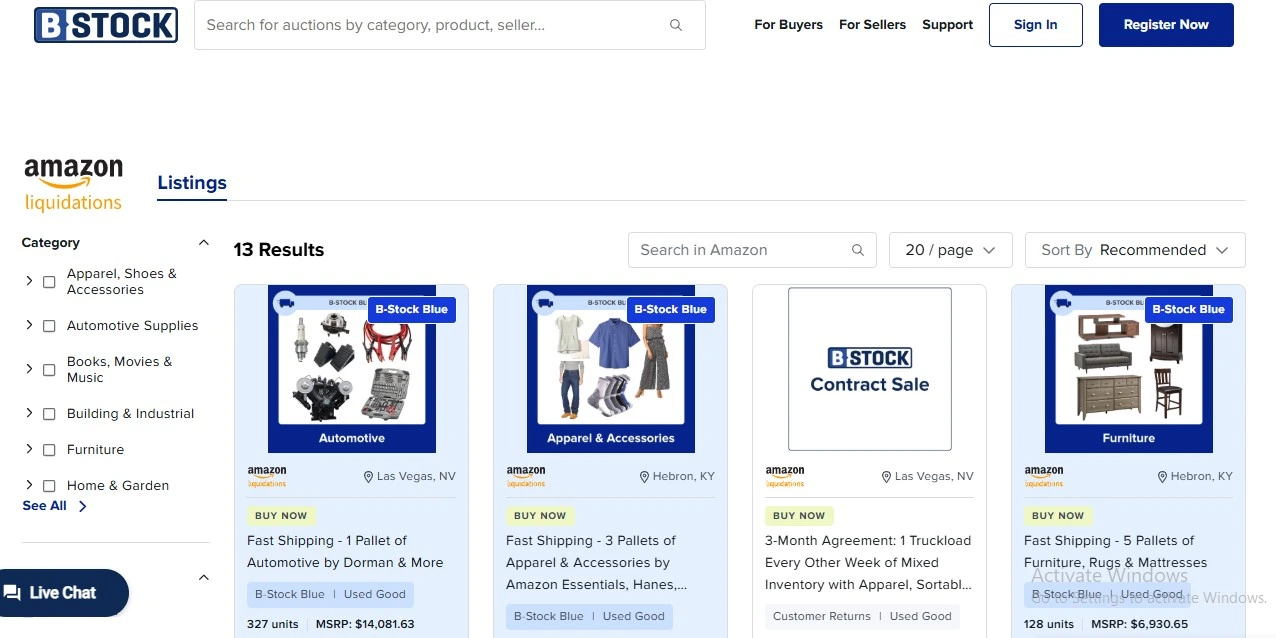
This is the closest you can get to buying directly from Amazon’s supply chain. B-Stock operates Walmart, Best Buy, and Amazon liquidation auctions, and it’s one of the most trusted places to purchase Amazon pallets for sale. Amazon Liquidation Auctions was established in 2018 through a partnership between Amazon and B-Stock, a third-party auction company. On this platform, you can place bids on return pallets that include items from clothing to books. However, to purchase Amazon pallets through Amazon Liquidation Auctions, you must first register with B-Stock and provide a valid resale certificate.
Why It’s Trusted
-
Official liquidation partner for Amazon
-
Large, regularly updated inventory of return pallets
-
Detailed manifests include product descriptions and retail values
-
Large truckloads and pallet lots available
Best For
Serious resellers and larger operations with a business license or resale certificate looking to bid on high-value pallets before they hit secondary brokers.
Because this platform operates auctions, competition can drive prices up, but the manifest detail and inventory source give you an edge in valuation and expected resale potential.
Direct Liquidation
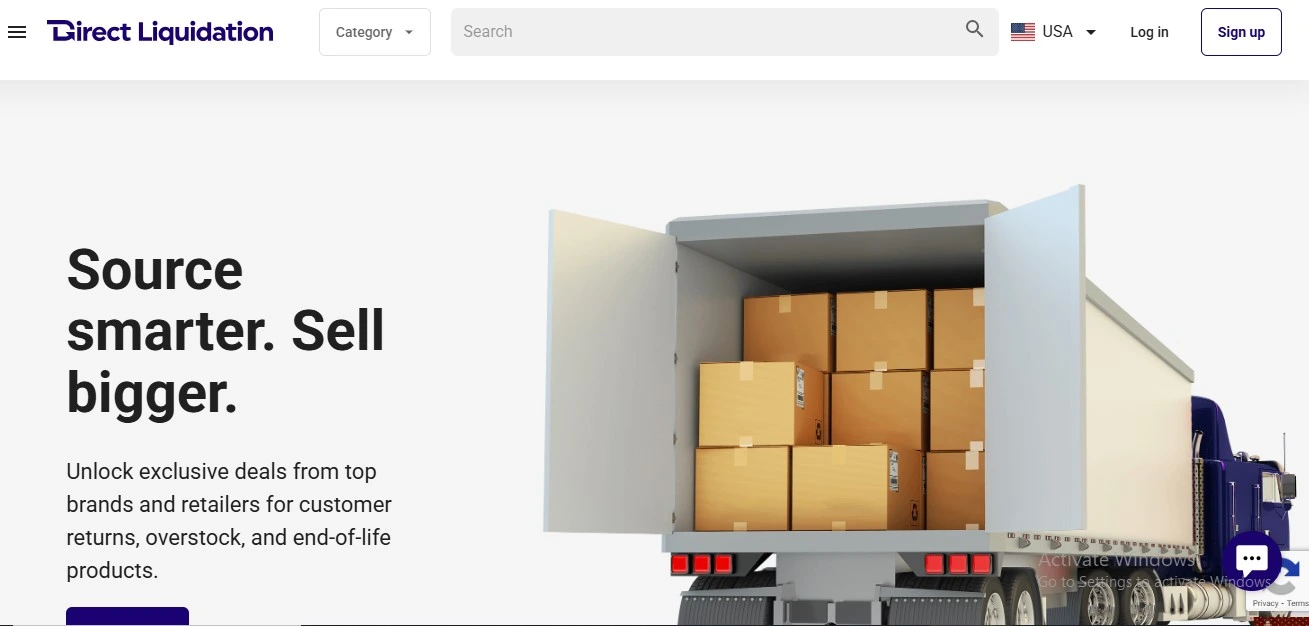
Direct Liquidation is one of the most widely used liquidation marketplaces offering Amazon return pallets alongside inventory from other major retailers like Walmart and Target.
Key Features
-
Pallets, truckloads, and smaller lots available
-
Both auction-style bidding and fixed-price “Buy Now” options
-
Detailed manifests for many listings
-
Listings often include condition categories
Best For
Resellers who want a balance between volume and convenience, especially those who prefer transparent manifest info and predictable pricing.
Direct Liquidation also lets you filter by category — like electronics or home goods — making it easier to find pallets that suit your niche.
Quicklotz
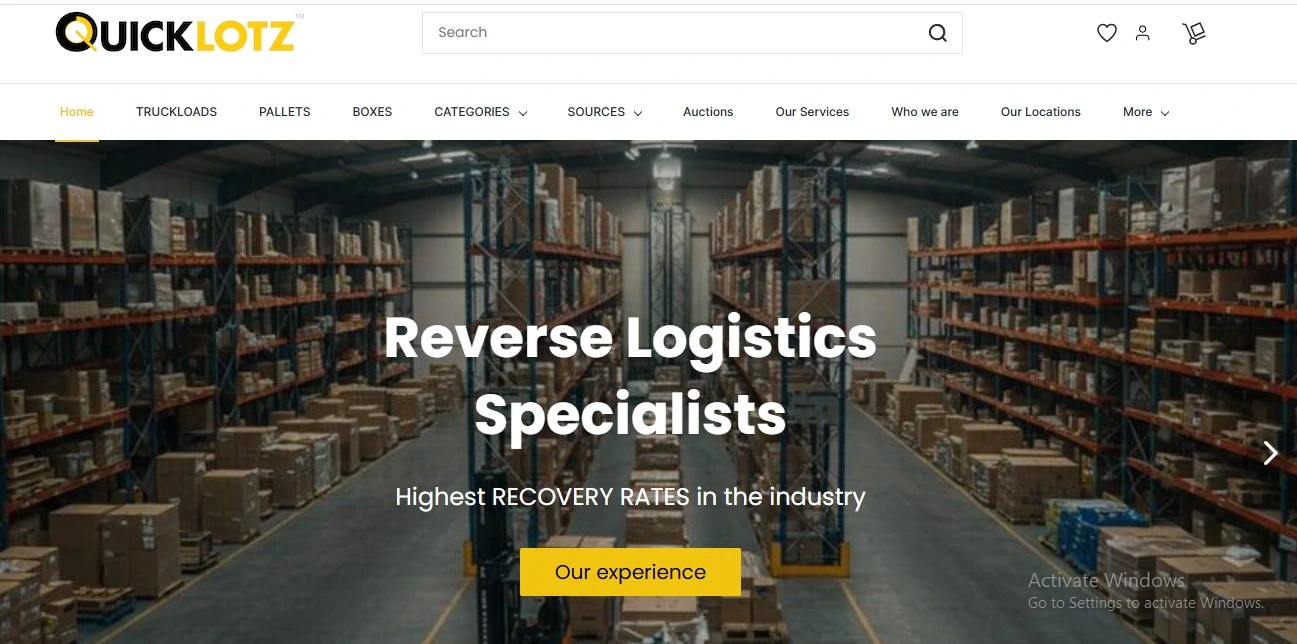
Quicklotz is a well‑known liquidation company that offers a wide range of bulk merchandise, including Amazon return pallets and truckloads, to resellers and bargain hunters.
On Quicklotz, you’ll find pallets and truckloads filled with mixed merchandise—from electronics and household goods to apparel and name‑brand products—that have been returned, overstocked, or otherwise liquidated by major retailers. The platform operates both online and in‑person, allowing you to bid on lots, buy them at listed prices, or attend local pallet sales in states like North Carolina and Texas.
Quicklotz also runs auctions through its sister site QuickBidz, where liquidation lots start at low prices and you can compete with other buyers to win pallets. Many buyers appreciate that Quicklotz offers local pickup options as well as nationwide shipping, making it easier to plan how you receive your merchandise.
One of the biggest draws for resellers is the variety of pallet types available—from smaller consignments ideal for beginners to large truckloads for experienced sellers. Quicklotz sometimes provides item manifests for pallets, helping you estimate potential retail value before purchasing.
That said, experiences with Quicklotz can vary: while some buyers report good quality and value, others have raised concerns about inconsistent merchandise quality or customer service. As with any liquidation source, research thoroughly, compare lots, and understand the terms and conditions before you buy to improve your chances of success.
Liquidation (US)
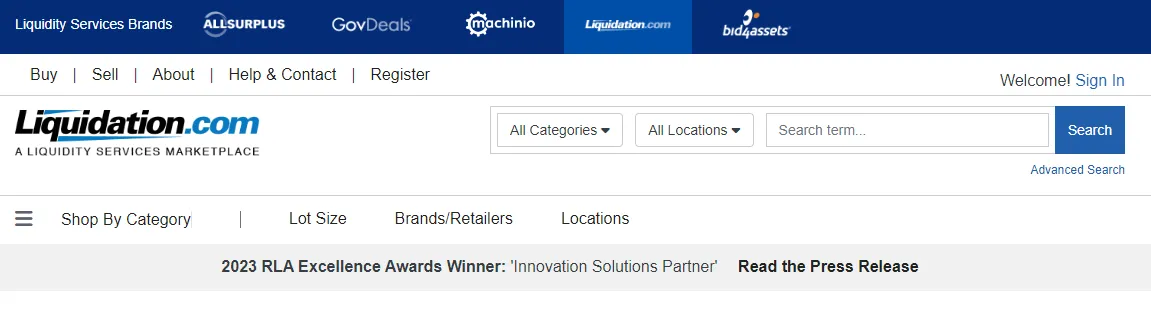
One of the most accessible places for beginners and seasoned resellers alike to find Amazon return pallets is Liquidation.com—a long-standing online liquidation marketplace that hosts auctions and fixed-price listings for a wide variety of returned, overstocked, and excess merchandise from major retailers, including Amazon.
On Liquidation.com, you’ll find pallets and lots that range from a single box of items to full pallets of customer returns and surplus stock. These lots are sold via competitive bidding or occasionally through straightforward “buy it now” style offers, giving you flexibility in how you purchase.
While the site doesn’t always provide detailed manifests or full descriptions of every pallet, the platform is popular because it doesn’t require a resale certificate or business tax ID in many cases, making it easier for individual resellers to get started with fewer barriers than some official channels.
Another big advantage is location-based filtering—you can often find pallets stored in warehouses across the U.S., and if you’re willing to pick them up in person, you could save significantly on freight or delivery costs, which can erode your profit margins otherwise.
However, buyers should approach auctions with caution: because contents are often sold “as-is” and without guarantees, what’s inside a pallet can vary widely from brand-new items to damaged or unsellable products. Doing your research, comparing lots, and planning for shipping or pickup logistics will help you make more informed purchase decisions on Liquidation.com.
Local Liquidation Warehouses and Secondary Outlets
In addition to online platforms, local liquidation warehouses and brick-and-mortar outlets can be great sources for amazon return pallets. These facilities often buy large truckloads and break them down into individual pallets or lots for local buyers. Simply searching Google for “amazon return pallets near me” can help you locate nearby stores that sell return pallets. Buying in person allows you to inspect the pallets firsthand, giving you a clearer idea of the items included before making a purchase.
Benefits
-
Physical inspection before buying
-
No freight costs if you pick up with your own truck
-
Ability to negotiate on pricing
-
Potential for repeat business and local networking
Tip: Warehouses with physical locations tend to be more trustworthy than anonymous online ads offering “$29 Amazon pallets,” which are usually scams.
Complete guide to selling on Amazon Handmade, including account setup, product listing tips, and growing artisan sales.
The Logistics of Pallet Liquidations (Getting It Home)
So you won the auction. Now comes the tricky part… You have a 1,500 lb wooden pallet sitting in a warehouse. How do you get it to your garage?
-
The Liftgate Fee
If you have it shipped to your home, the delivery truck will need a hydraulic lift to lower the pallet safely to the ground. This service usually costs $50–$100 extra. Don’t assume you can “manhandle” it yourself—the driver won’t wait around while you try. -
The Driveway Dilemma
I once ordered a pallet to my city apartment. The delivery truck couldn’t fit on my narrow street. The driver called and said, “I’m parking two blocks away. You’ll need to move it from here.” I had to borrow a friend’s pickup truck, transport it to my building, and then use a rented pallet jack to get it inside. Total chaos. Lesson: Always confirm “Residential Delivery” access before bidding.
How to Buy Amazon Pallets?
Buying amazon pallets — is a structured process that combines strategic sourcing, compliance preparation, and business readiness. To maximize your profit potential and avoid unnecessary risks, it’s important to understand how to buy these pallets correctly and what legal and tax considerations apply. Below is a detailed, step-by-step guide covering everything from account setup to closing your first purchase.
Prepare Your Business Setup and Documentation
Before you purchase any pallets, create a solid business foundation. Many reputable liquidation platforms require business verification before you can access inventory:
-
Business registration: Form a legal entity (sole proprietorship, LLC, etc.) to protect yourself and enable proper tax reporting.
-
Resale certificate / Sales tax permit: Many liquidation marketplaces (like B-Stock) require a resale certificate to exempt you from paying sales tax on the purchase price.
-
Bank account & payment method: Use a business bank account for transactions; some platforms require wire transfers or verified payment sources.
-
Contact information: Accurate address, email, and phone number improve platform approval success.
These foundational steps ensure you meet platform requirements and operate legitimately when reselling inventory.
Register on Trusted Liquidation Platforms
Once your business documentation is ready, sign up for reputable liquidation marketplaces. Your choice of platform influences the quality of pallets, the transparency of inventory information, and your long-term profitability. Trusted options include:
-
Amazon Liquidation Auctions (B-Stock Solutions): The official return and overstock auction marketplace for Amazon inventory. Requires a business account and resale certificate.
-
Direct Liquidation: Offers both auction and fixed-price listings with detailed manifests for many lots.
-
Liquidation.com: A long-standing auction platform with multiple warehouse locations and a wide pallet selection.
These platforms list amazon return pallets in various conditions and categories, and include manifest details when available so you can estimate resale potential before purchase.
Understand Condition Types and Pallet Details
Every pallet has condition descriptions and in many cases a manifest — a spreadsheet listing the items, SKUs, quantities, and sometimes retail values. Knowing what you are agreeing to buy is critical:
-
Open box & customer returns: Items that have been returned and may be lightly used, incomplete, or damaged.
-
Overstock / shelf pulls: New or like-new merchandise pulled from inventory without customer returns — usually less risky.
-
Salvage: Damaged or heavily used goods often sold for parts.
Always review any available manifest or condition code before bidding or buying, because inventory variance determines your profit and workload when sorting.
Bid or Buy With a Strategy
Most platforms provide two purchasing methods:
-
Auction bidding: You place a maximum bid; the system will outbid competitors up to your limit. Auctions can drive prices up, so set strict bid caps based on your cost analysis.
-
Buy It Now / Fixed-price: If you want to skip auctions, some lots offer a set price you can purchase immediately.
Successful buyers define a profit threshold before bidding or buying — often calculating your maximum bid as a percentage of the estimated resale value after all costs are included.
Calculate True Total Cost Before Purchase
Don’t focus only on the pallet price itself. Your actual cost includes:
-
Pallet purchase price
-
Freight shipping costs: LTL (Less Than Truckload) or full truckload freight charges
-
Handling and storage costs
-
Taxes (if resale certificate not applied)
-
Testing, cleaning, and repair expenses
Accurate total cost calculation separates profitable purchases from loss-leading ones. Use manifest data to estimate average resale value and compare this to all combined expenses to ensure a healthy margin.
Arrange Logistics and Shipping
Once you win a pallet or make a purchase, it’s time to get it to your location:
-
Platforms often list warehouse pickup or freight pickup options.
-
If you take local pickup, you can avoid or reduce freight fees.
-
If you use freight services, understand “liftgate,” “residential,” and additional surcharges.
Promptly arrange logistics to minimize delays, because storage backlogs or missed shipment windows can disrupt your business flow and increase costs.
Inspect, Sort, and Process Inventory
When your Amazon pallets arrive:
-
Unwrap and inspect each item for condition and missing parts.
-
Test electronics and appliances to verify working status.
-
Categorize inventory into sellable, repairable, parts, or recyclable.
-
Use manifests and videos/photos to document discrepancies if needed for claims.
This stage is where the value of the manifest really pays off — good manifests help you know what to expect ahead of time.
Learn essential Amazon SEO strategies, tips, and best practices to help sellers boost visibility and sales.
How to Make Money Reselling Amazon Pallets
Turning amazon return pallets into a profitable resale business isn’t passive income — it’s a structured process that combines smart sourcing, accurate valuation, efficient processing, and tailored selling strategies. Many resellers treat pallet flipping as a legitimate e-commerce model, and with the right playbook you can consistently generate revenue from these bulk purchases.
Below is a detailed strategy on how to make money reselling Amazon pallets in 2026 — step by step from unpacking to cashing in.
Source the Right Pallets With Profit in Mind
The foundation of profitability lies in choosing pallets that contain sellable items with real resale value. When browsing liquidation sites, always:
-
Review the manifest (if provided): A detailed list showing SKUs, quantities, and condition helps estimate profit more accurately before you buy.
-
Stick to proven categories: Electronics, small “smalls” (like watches, accessories, and gadgets), brand-name apparel, and household items often resell quicker than random junk.
-
Avoid pallet lots with vague descriptions: Listings that say “mixed returns” or “varied condition” without clear details are riskier and often contain too many unsellable items.
A general rule many experienced resellers use is to bid no more than 20–30% of the total retail value shown on a manifest to protect profit margins.
Inspect, Sort, and Categorize Inventory Quickly
Once the pallet arrives, the real work begins:
a. Sort into categories:
-
New or Like-New: Items still sealed or unused
-
Open Box / Lightly Used: Can sell at a discounted but profitable price
-
Refurbishable: Items that require cleaning or minor fixes
-
Parts Only / Unsellable: Sell for parts or recycle
Sorting efficiently lets you plan which items to refurbish, resell as-is, or bundle later. Experienced resellers often take photos and document condition for listing accuracy.
Choose the Best Selling Channels
Different products perform better on different sales platforms — knowing where each item will sell best is critical:
✔ eBay – Great for electronics, accessories, and items with fluctuating values.
✔ Facebook Marketplace, Craigslist, OfferUp – Best for bulky items (furniture, appliances), local pickup avoids shipping costs.
✔ Amazon FBM or FBA – Amazon fbm or fba used for individual items that meet Amazon’s condition standards (requires strict compliance).
✔ Whatnot or Mercari – Good for fast-moving smalls or niche finds with storytelling formats.
Many resellers diversify instead of relying on just one channel. The idea is to put each item in the marketplace with the highest expected profit after fees.
Price Smart — Beat Competitors Without Undercutting Yourself
Pricing strategy impacts how quickly items sell and how much profit you make:
-
Aim for listings priced around 60–80% of retail for best condition items.
-
For open-box or lightly used goods, price based on condition (e.g., 50–70% of retail).
-
Use repricing tools and competitor research to stay competitive without sacrificing margins.
Bundling complementary items (e.g., device with charger and accessories) increases perceived value and allows higher total prices — a tactic many experienced resellers use to improve per-unit earnings.
Repair, Repackage and Add Value
You can significantly boost profits by:
-
Fixing minor issues: Replacing batteries, tightening screws, cleaning electronics.
-
Repackaging: Neatly packaging items with original boxes or neutral retail packaging increases buyer confidence.
-
Bundling: Selling related items together often nets more than selling components separately.
A refurbished or well-presented item sells much faster and commands higher prices — especially on platforms like eBay or your own ecommerce store.
Track Costs and Fees Closely
To know whether you’re actually making money:
-
Track freight and delivery costs — shipping often represents a major expense.
-
Factor in platform fees (eBay, Amazon, Mercari) which can take 10–20% of final sale price.
-
Include storage, prep, and labor time as part of your cost.
Accurate cost tracking ensures you don’t overestimate profit and allows you to refine bidding strategies in future pallet purchases.
Scale With Repeatable Systems
Most profitable resellers don’t treat pallet flipping as random luck — they build repeatable systems:
-
Use spreadsheets or inventory software to track SKU resale performance.
-
Build relationships with liquidation warehouses to get early access to high-value lots.
-
Outsource prep, photography, or listings once you exceed a manageable volume.
As your operation grows, you can also reinvest profits into larger purchases like truckloads, which reduce cost per item and increase overall profit potential.
Stay Adaptive and Market-Aware
The liquidation resale ecosystem is dynamic. Popular items, platform fees, and buyer preferences change over time. Staying aware of market trends, pricing shifts, and competitors helps you adjust quickly and maintain profitability.
Many resellers also reinvest in product research tools or community networks to stay ahead — a strategy that turns one-off successes into sustainable revenue.
Step-by-step guide to building a professional Amazon storefront, improving brand visibility, and increasing customer engagement.
Pros and Cons of Amazon Return Pallets
Buying and reselling amazon return pallets can be a lucrative retail arbitrage strategy — but it’s not without its risks and complexities. Understanding both sides helps you make smarter decisions, avoid common pitfalls, and build a sustainable resale operation in 2026.
Pros of Amazon Return Pallets
Low Cost per Unit
One of the biggest advantages of Amazon pallets is that they’re sold at a fraction of retail value — often as low as 10–30% of original MSRP. This low cost per unit gives resale businesses a strong starting point for high potential margins.
High Profit Potential
Because products are acquired in bulk at low prices, reselling individual items can generate strong returns. Some resellers report 30% to 300%+ markups when products are refurbished or marketed effectively.
Inventory Variety
Amazon return pallets often include a wide range of products — from electronics and tools to home goods and apparel — allowing sellers to test multiple categories or diversify their offerings.
Business Scalability
Pallet resale is scalable. Once you validate your process and sales channels, you can increase buying volume, negotiate better deals, and optimize logistics to grow revenue over time.
Sustainability Appeal
Reselling returned or excess products contributes to a circular economy by reducing landfill waste. Many consumers appreciate second-life goods, which can also increase demand on resale platforms.
Bulk Purchasing Efficiencies
Buying in pallets or truckloads can reduce freight costs per item, helping improve net profit when calculated correctly.
Cons of Amazon Return Pallets
Unpredictable Quality
Quality variation is the biggest downside. Even pallets with manifests may contain damaged, defective, or non-functional items, requiring significant inspection and repair effort.
No Guarantees or Returns
Most liquidation sales are final — there’s usually no warranty or return policy once you buy a pallet. If the majority of items turn out unsellable, you might not recoup your investment.
Hidden & Additional Costs
Shipping, storage, refurbishment, testing equipment, and sales fees (e.g., eBay, Amazon, marketplace commissions) all add costs that cut into margins if not planned for.
Time-Intensive Processing
Sorting, testing, cleaning, photographing, and listing items can be labor-intensive and time-consuming — especially for larger pallets. This makes it less suitable for passive investors.
Inventory Management Challenges
Because pallets contain mixed items from different categories and conditions, managing inventory effectively requires organized systems — a simple garage isn’t always sufficient.
Competition and Market Saturation
As pallet reselling gains popularity, competition has increased. Popular items sell fast, and margins can shrink when multiple resellers are selling the same products.
Risk of Misleading Listings
Not all platforms provide accurate manifests or photos. Some lots may be misrepresented, leading to disappointment and losses if visibility into inventory is limited.
Balanced Perspective
Amazon return pallets are neither a magic money machine nor a guaranteed loss. They are a business model with real opportunities and real risks. Low entry costs and varied inventory make them attractive for both beginners and seasoned resellers, but unpredictable conditions, additional expenses, and time commitment mean success depends heavily on planning, research, and execution.
If you approach pallet buying with clear ROI criteria, diligent inspection processes, and diverse selling channels, you can leverage this model for consistent resale profit in 2026 — but it requires operational discipline rather than guesswork.
Learn how Amazon Marketing Services helps sellers boost visibility, run targeted ads, and increase conversions with effective advertising tools.
Conclusion: Amazon Pallets
Amazon return pallets can be a powerful opportunity for resellers who understand the risks and do proper due diligence. The low upfront cost and potential for strong margins make them attractive, but success depends on smart sourcing, careful inspection, and disciplined cost management. Treat it like a real business — analyze manifests, calculate total expenses, and diversify your selling channels. When approached strategically, amazon pallets can become a scalable and profitable resale model in 2026.
FAQs: Amazon Pallets
What Are Amazon Return Pallets?
Amazon return pallets are bulk lots of returned, overstock, or excess inventory sold through liquidation channels at discounted prices.
Why Are Amazon Return Pallets Popular Among Resellers?
They offer low cost-per-unit pricing and the potential for high resale margins, making them attractive for small and large resellers.
How Can I Purchase Amazon Return Pallets?
You can buy Amazon return pallets from liquidation companies or online marketplaces that focus on selling returned and overstocked products.
What Should I Consider Before Buying an Amazon Return Pallet?
Take into account the types of products in the pallet, their potential market demand, your capacity to inspect, repair, or refurbish items, and the overall cost, including shipping and handling.
Are All Items in Amazon Return Pallets in Good Condition?
Item conditions can vary widely—some may be nearly new, while others could be damaged or require repairs. It’s crucial to recognize the risk of receiving unsellable products.
Is It Profitable to Resell Items from Amazon Return Pallets?
Yes, it can be profitable if you buy at the right price, manage costs carefully, and sell through the right platforms.
Do I Need a Business License to Buy Pallets?
For official Amazon platforms like B-Stock, a Resale Certificate is required. However, on third-party sites such as Liquidation.com or at local warehouses, a certificate is usually not needed, though you will generally have to pay sales tax on your purchases.
Power Your Brand. Automate Your Growth. Win on Amazon — with Stores Automation
At Stores Automation, we specialize in automating every aspect of your Amazon store, from inventory management to marketing strategies, so you can focus on scaling your business. Our best amazon fba automation services takes the guesswork out of e-commerce by providing expert solutions tailored to your store’s needs.
Whether you’re a seasoned seller or just getting started, we provide personalized done for you store automation that works for you — driving sales and freeing up your time.
Call us at 302-204-8244
Email: info@storesautomation.com
Sign Up to get started.
Let’s turn your Amazon store into a sales powerhouse. Book your free consultation today — and unlock your brand’s full potential with Stores Automation.