

Any day can be a good opportunity to sell on Walmart’s marketplace, but certain times of the year tend to bring in higher profits than others. By tracking important Walmart key dates, you can make the most of periods when demand is likely to increase. In this post, we’ll explore the key events and seasons to focus on in 2026.
Key Takeaways
Respect the October–December Peak: While sales happen year-round, the highest profit density is concentrated in Q4. Success depends on having your holiday inventory locked and inbounded to WFS by October 1st to ensure you don’t miss the Black Friday and Cyber Monday surges.
Capitalize on Niche-Driven Trends: Every month offers a unique “mini-peak.” From New Year’s fitness in January to Back-to-School in August, understanding these specific seasonal needs allows you to rotate your inventory and maintain steady cash flow outside of the major holidays.
Leverage Walmart’s Visibility Tools: Simply having a product is not enough during high-traffic windows. Utilizing Walmart seller tools, Sponsored Products and the Rollback Badge during key dates is the most effective way to ensure your listings are showcased to shoppers over the competition.
Execute the 8-Week Lead Time: Walmart’s marketplace rewards early preparation. Managing your inventory levels and adjusting your marketing strategies 8 weeks before any major event—such as Walmart Deals Week in July—is the only way to maximize sales and avoid out-of-stock penalties.
Walmart Key Dates 2026: At-a-Glance Master Calendar
| Quarter | Month | Key Events & Deadlines (2026) | Primary Inventory Focus |
|---|---|---|---|
| Q1 | January | New Year’s (1), MLK Day (19) | Fitness, organization, health & wellness. |
| February | Super Bowl (8), Valentine’s (14), Pres. Day (16), Lunar New Year (17) | Gifting, party snacks, jewelry, tech. | |
| March | Intl. Women’s Day (8), Prosper Show (10-12), St. Patrick’s (17) | Spring fashion, home decor, green goods. | |
| Q2 | April | Easter (5), Earth Day (22), Arbor Day (24) | Seasonal toys, sustainable goods, gardening. |
| May | Mother’s Day (10), Memorial Day (25) | Outdoor/Patio, luxury gifting, BBQ gear. | |
| June | Juneteenth (19), Father’s Day (21) | Tools, men’s accessories, summer apparel. | |
| Q3 | July | Independence Day (4), Walmart Deals Week (TBD) | Patriotic decor, beach gear, electronics. |
| August | Back-to-School (Peak), Walmart Seller Summit Prep | Stationery, laptops, dorm, school supplies. | |
| September | Walmart Seller Summit (1-3), Labor Day (7) | Tailgating, sports fan gear, fall apparel. | |
| Q4 | October | WFS Holiday Inbound Deadline (1), Halloween (31) | Holiday Inventory Lock, costumes, candy. |
| November | Thanksgiving (26), Black Friday (27), Cyber Monday (30) | Toys, electronics, kitchen, high-volume. | |
| December | Christmas (25), Boxing Day (26), New Year’s Eve (31) | Last-minute gifts, party supplies, winter gear. |
Key Dates for Walmart Sellers
Q1 Key Dates
The first quarter opens with fresh consumer intent. Post-holiday shoppers are motivated by New Year’s resolutions, seasonal transitions, and the need to refresh their homes and routines. While January and February may feel quieter than Q4, savvy sellers know that Q1 demand is highly predictable and easily monetized with the right product preparation.
January — New Year’s Day, MLK Day, Lunar New Year
January is driven by resolution-based purchasing. The categories that surge immediately after New Year’s Day include fitness and wellness equipment, home organization products, health supplements, and winter apparel on clearance. Sellers in these categories should have stock in place before January 1 and run targeted promotions through the first two to three weeks of the month when resolution intent is at its highest.
Martin Luther King Jr. Day (January 19) is a federal holiday that brings additional in-store and online shopping traffic as consumers have a day off. Lunar New Year (January 29) drives demand for culturally relevant products, decorations, and gift items in communities that celebrate the holiday — a niche but highly engaged buying segment.
February
Even though February is the shortest month, it still offers strong sales opportunities. Winter-related products like clothing remain in demand, while many people spend more time at home, boosting interest in home and comfort items. Valentine’s Day can significantly increase sales for certain online businesses, especially for items like cards, chocolates, and jewelry. Super Bowl Sunday is another major spending event, with high demand for snacks, beverages, and sports-related merchandise.
- February 8: Super Bowl Sunday
- February 14: Valentine’s Day
- February 16: President’s Day
- February 17: Lunar New Year
- February 17: Mardi Gras / Fat Tuesday
March
Sales in March can vary from year to year since some spring events, such as Easter, shift dates (falling in April this year). St. Patrick’s Day often drives strong demand for green-themed items and festive accessories. While not typically a major sales holiday, International Women’s Day can encourage gift purchases and is also a meaningful occasion for brands to acknowledge, especially if it resonates with their audience.
- March 8: International Women’s Day
- March 8: Daylight Saving Time (clocks move forward)
- March 17: St. Patrick’s Day
- March 10–12: Prosper Show in Las Vegas
Q2 Key Dates
April
April might not be packed with major shopping holidays, but it still offers a useful window for experimenting with strategies and preparing for busier seasons ahead. Even without big events, sellers can still find ways to generate sales by testing ideas and planning ahead.
- April 1: April Fools’ Day
- April 5: Easter Sunday
- April 22: Earth Day
- April 24: Arbor Day
May
With warmer weather arriving, May shifts attention toward outdoor activities and upcoming summer plans. As schools begin to close, parents often look for ways to keep their kids engaged, creating opportunities for related products. The month also includes two major U.S. holidays—Mother’s Day and Memorial Day—which can drive strong sales.
- May 10: Mother’s Day
- May 25: Memorial Day
June
June is commonly viewed as the beginning of summer, with rising temperatures, school breaks in many areas, and travel plans coming into focus. This leads to increased spending on seasonal items. Father’s Day stands out as a key shopping event, especially for gifts like wallets, ties, and golf equipment. Other observances such as Flag Day and Juneteenth may also contribute to sales, though typically on a smaller scale. Juneteenth, in particular, is an important occasion to acknowledge in marketing and communication efforts.
- June 14: Flag Day
- June 21: Father’s Day
- June 19: Juneteenth
Q3 Key Dates
July
Similar to June, demand for summer-related items stays strong throughout July, including beachwear, towels, and travel essentials like luggage. The biggest highlight of the month is Independence Day, which drives sales of patriotic products, barbecue gear, sparklers, and themed clothing as people celebrate with outdoor gatherings. Walmart also hosts its own major sales event, Walmart+ Week, during this time to compete with Amazon Prime Day, giving sellers an added boost.
- July 4: Independence Day
- Date TBD: Walmart Deals Week (typically held in the second or third week of July, with exact dates announced closer to the event)
August
August is often viewed as the transition out of summer, with vacations winding down and families preparing for the new school year. Back-to-school shopping is in full swing, covering items like stationery, clothing, and school supplies. College students also shop for dorm essentials such as bedding, décor, and study accessories, along with tech products like laptops and tablets.
This month can be slower overall, following the surge from Walmart+ Week and leading into the busy Q4 season. It’s a good time for sellers to review performance, manage inventory, and plan ahead. The Walmart Seller Summit is also expected in August 2026, offering valuable opportunities for brands looking to grow.
September
Back-to-school shopping continues into September, while early fall products—such as jackets and yard tools—begin to gain traction. Although Labor Day isn’t a major retail driver, it can still lead to some purchases for gatherings and events. The start of the NFL and college football seasons also creates strong demand for sports-related items, as fans look for ways to support their teams.
- September 7: Labor Day
- September 11–13: Rosh Hashanah
- September 20–21: Yom Kippur
Q4 Key Dates
October
October usually brings cooler weather, increasing demand for cold-weather clothing like coats, jackets, and hats. Walmart also hosts a four-day sales event called Walmart Deals Holiday Kickoff—similar to promotions like Target Circle Week and Amazon’s Prime Big Deal Days—where shoppers can find discounts across categories such as electronics and home goods. Fall sports also pick up with the start of the NHL season, which can drive sales of fan gear and watch party essentials. The biggest highlight of the month, however, is Halloween, when demand for costumes, candy, and themed decorations rises quickly, creating strong opportunities for sellers in these categories.
- TBD: Walmart Deals Holiday Kickoff (typically expected during the first full week of October)
- October 12: Columbus Day / Indigenous People’s Day & Canadian Thanksgiving
- October 31: Halloween – Since it falls on a Saturday in 2026, there could be higher demand for party supplies, though some may celebrate only once over the weekend
With major shopping events now happening in October, many Walmart customers begin their holiday shopping earlier, so it’s important to be prepared with inventory for the busy Q4 season.
November
The holiday shopping season continues into November, beginning with Thanksgiving. This holiday often drives purchases related to hosting, food preparation, and seasonal décor. Momentum builds quickly toward Black Friday, one of the biggest shopping events of the year. Based on recent trends, Walmart may run multiple deal events throughout the month.
There’s also a growing trend known as “Christmas bleed,” where shoppers start decorating for Christmas earlier—sometimes immediately after Halloween. As daylight saving time ends and the days become shorter and colder, people tend to focus more on comfort items while continuing their holiday shopping.
- November 1: Daylight Saving Time ends (clocks move back)
- November 26: Thanksgiving
- November 27: Black Friday
- November 30: Cyber Monday
December
December closes out the year with strong sales momentum, driven by events like Cyber Monday and Christmas. Shoppers purchase a wide variety of gifts during this period, making effective marketing especially important for boosting sales. While Boxing Day isn’t as widely celebrated in the U.S., some shoppers still take advantage of post-Christmas deals. Finally, New Year’s Eve brings additional demand for party-related items such as glassware, formal wear, and decorations.
- December 1: Giving Tuesday
- December 25: Christmas Day
- December 26: Boxing Day
- December 31: New Year’s Eve
How to Prepare for the Peak Season as a Walmart Seller
Knowing the dates is half the battle. The other half is executing on them with enough lead time to actually capitalize on the opportunity. Here is a practical preparation framework for Walmart sellers at every stage of the year.
8 Weeks Before Any Major Event
- Review inventory levels: Calculate how much stock you need to sustain the event at 2–3x your normal sales velocity. Order from suppliers with sufficient lead time to receive, prep, and inbound stock to WFS well before any applicable deadlines.
- Submit WFS inbound shipments: For events with WFS deadlines (Summer Event: June 2 / Holiday: October 1), initiate shipments with a significant buffer. Carrier delays, receiving backlogs at fulfillment centers, and processing time all require margin.
- Update listing content: Refresh product titles, bullet points, and images to include event-relevant language, seasonal keywords, and any promotional context. Listings with stale, generic content convert poorly during event traffic surges.
4 Weeks Before Any Major Event
- Submit promotional deals: For events that allow promotional submissions (Deals Events, Walmart+ Week, Holiday Kickoff), submit your deals through Walmart Seller Center with sufficient time for review and approval. Walmart requires advance notice — same-week submissions are typically rejected.
- Scale advertising spend: Begin increasing Walmart Sponsored Product and Sponsored Brand budget allocation 4 weeks before major events. The algorithm rewards consistent ad performance and building momentum before the event pays compounding dividends on the day.
- Competitive pricing review: Monitor competitor pricing in your category and ensure your price point is competitive relative to comparable listings. During major events, buyers are actively price-shopping — being even marginally above comparable alternatives can significantly reduce conversion rate.
1–2 Weeks Before Any Major Event
- Verify listing health: Check that all listings are active, images are loading correctly, fulfillment settings are accurate, and inventory counts are synced. A listing suppression or inventory error during a high-traffic event can cost thousands in missed revenue.
- Confirm customer service capacity: Peak events generate proportionally higher volumes of buyer messages, returns, and enquiries. Ensure your response infrastructure can maintain Walmart’s required response time standards — account health metrics are closely monitored during peak periods.
- Activate promotional pricing: If running event promotions, verify that sale prices are live and correctly reflected in your listings. Some pricing tools take 24–48 hours to propagate — activate early to avoid being invisible during the critical first hours of an event.
Walmart Seller Tools and Features to Leverage on Key Event Dates
Understanding key dates is only valuable if paired with the platform tools that amplify seller performance during those windows. Here are the most important Walmart Marketplace features to activate around key event dates.
Walmart Rollback Pricing
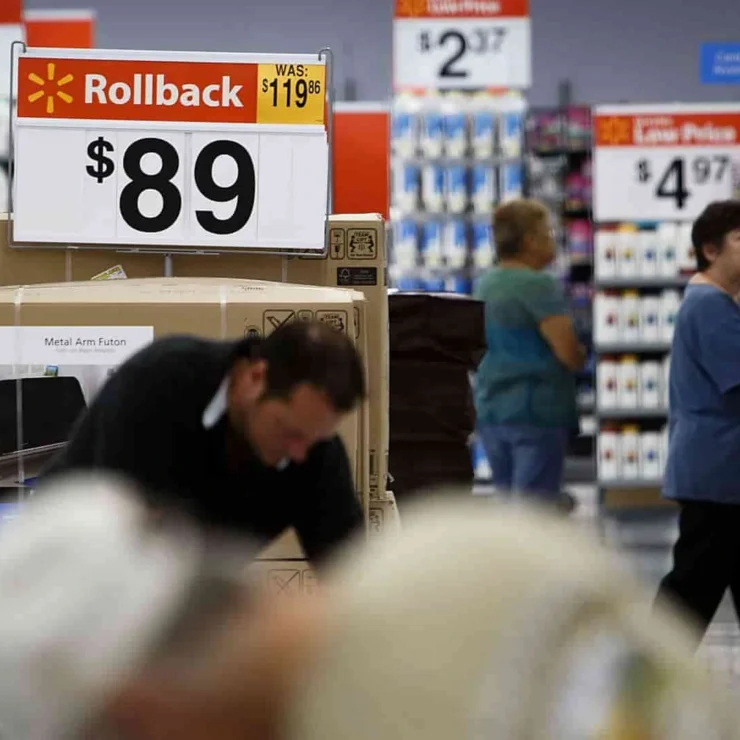
Walmart’s Rollback badge is a platform-wide signal that a product’s price has been reduced. Listings with the Rollback badge receive increased editorial placement and are often featured in promotional widgets, category pages, and email campaigns. Sellers can submit products for Rollback pricing through the Seller Center promotions tool. Rollback submissions aligned with key event dates dramatically improve listing visibility at zero additional advertising cost.
Walmart Sponsored Products
Walmart Connect (Walmart’s advertising platform) allows sellers to run Sponsored Products campaigns that increase product placement in search results and category pages. Advertising costs on Walmart are generally lower than Amazon equivalents, and well-optimised campaigns during key event periods deliver strong return on ad spend. Scale budgets proactively before key dates and monitor performance daily during events to capture peak-traffic conversion windows.
Walmart Fulfillment Services (WFS)
WFS-enrolled products receive the ‘Fast & Free’ shipping badge— one of the most powerful listing differentiators on Walmart Marketplace. Buyers actively filter for fast delivery, and listings with the fast shipping badge consistently outperform merchant-fulfilled alternatives in conversion rate. Maximize your WFS enrollment before key events and never miss the critical inbound deadlines outlined in this guide.
Pro Seller Badge
The Pro Seller Badge is awarded to sellers who maintain high shipping speed, low cancellation rates, and strong overall account performance metrics. It signals credibility and trust to buyers and improves organic search placement. Pro Seller status is evaluated on a rolling basis with specific refresh dates (in 2026, these include evaluations in October ahead of the holiday peak). Maintaining the badge through consistent performance in the weeks before Q4 begins is a direct driver of holiday season revenue.
Final Thoughts:
The Walmart sellers who consistently outperform their competitors do not achieve that by accident — they achieve it by treating the Walmart key event dates calendar as a strategic roadmap and building their entire operational and marketing calendar around it. From ordering inventory in advance to submitting WFS inbound shipments before critical deadlines, from optimising listing content for seasonal search intent to scaling ad spend in the weeks before peak events — every action taken ahead of time compounds into a competitive advantage that reactive sellers simply cannot match.
Use this guide as your 2026 planning foundation. Save the master calendar. Start your holiday season preparation in August, not October. Submit your promotional deals well in advance. And above all — stay ahead of the calendar, not behind it. Visit the Walmart Seller Center regularly for official updates on event dates, promotional submission windows, and policy changes throughout the year.
Contact Us for Tailored Solutions – Stores Automation:
Ready to launch your Walmart store and unlock a passive income stream? At Stores Automation, we specialize in complete Walmart dropshipping automation services, managing everything from setup to operations — so you can focus on the profits while we do the work. Whether you’re a new seller or looking to scale, our team delivers fully managed solutions tailored to your goals. Contact us today at 302-204-8244 or email us at info@storesautomation.com. Sign up and Embark on the path to e-commerce success with Stores Automation